1. Walk-through
The team walks the property to find every piece of waste, including items tucked in drawers, bags or storage.
Lancaster, WI · Grant County
Used needles, bloody bandages or a full sharps box can leave a property owner unsure what to do next. In Lancaster, call (877) 812-4220 and describe what you have. Pickup, hauling and disposal can all be handled for you.
If anyone is in danger, call 911 first. For a suicide crisis, call or text 988.
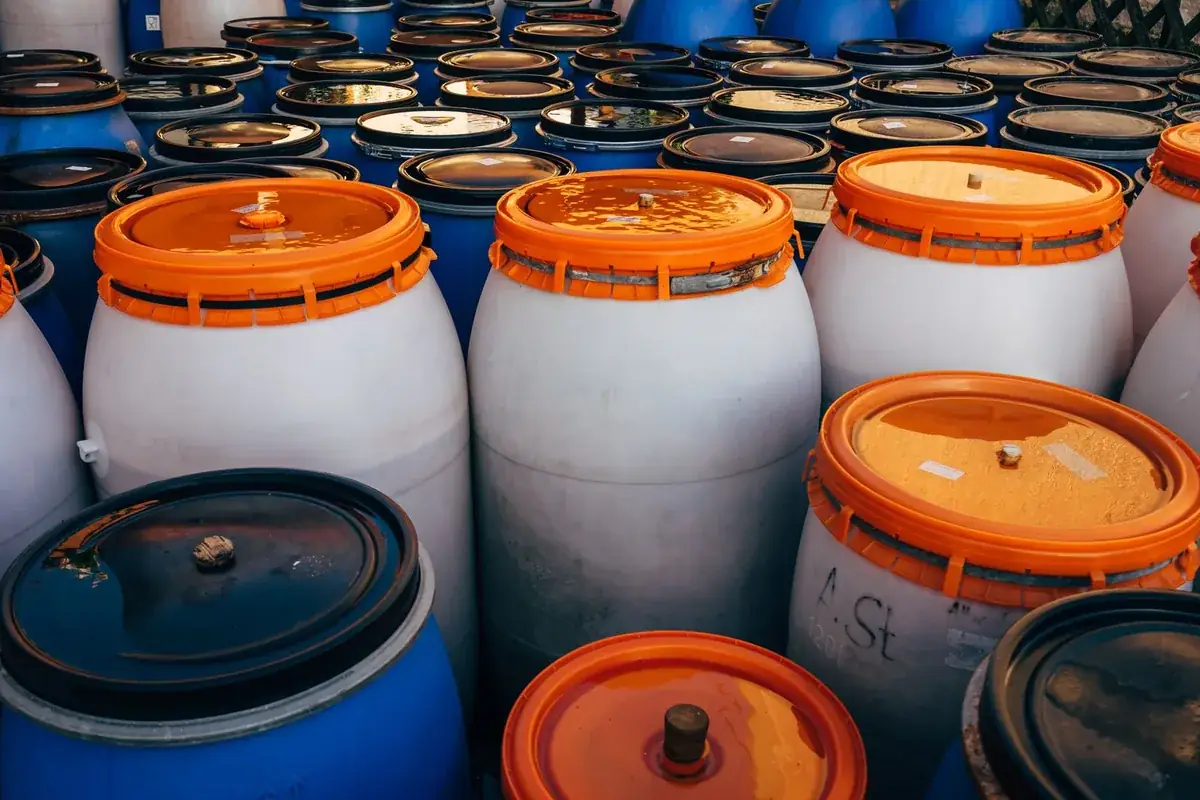
Medical waste removal is the collection, transport and disposal of waste that may carry germs, such as used needles, blood-soaked dressings and clinical supplies. Cleanup crews seal it in labeled containers instead of leaving it in the regular trash.
If you are a landlord or property manager in Lancaster or Grant County and find soiled medical supplies in a unit, call Lancaster Biohazard Cleanup Help. Crews remove the waste, clean the area and can give you the records you or an insurer may ask for.
Many households in Lancaster include seniors, about 24% of residents, and that means more home nursing waste that needs safe removal. Having medical waste on a property raises the chance of a stick or splash. Grant Regional Health Center, about 1 miles from Lancaster, is where many people go for care.
The work often covers:
The team walks the property to find every piece of waste, including items tucked in drawers, bags or storage.
Contaminated items are separated from clean ones and sealed in labeled biohazard bags or rigid containers.
The waste is hauled for treatment instead of landfill trash. The team can explain each step of the route.
For clinics and care homes, the team can talk about a pickup schedule so full containers never pile up.
The cost of medical waste removal in Lancaster, WI depends on the amount of material, how it is packed and how it is hauled.
One-time pickups and repeat schedules are priced differently. A clinic with regular sharps containers may set up a routine instead of paying per call.
| Type of job | Typical range |
|---|---|
| Regulated medical waste | $0.30 - $0.80 per pound |
| Small physician practice | $75 - $200 per month |
| Medical waste disposal | $2 - $20 per pound |
| Dental office | $50 - $175 per month |
Estimates only, not a quote. Sources: MedPro Disposal, Fixr. Price drivers include weight of waste, type of waste, how often pickup happens, container and transport fees. Call (877) 812-4220 to talk through the job.
Medicine is usually kept apart from medical waste. A pharmacy, a take-back program or the local health department can say what applies where you live. A cleanup team can tell you whether it takes medicine or only sharps and clinical waste.
They are germs that spread through blood and some other body fluids. Hepatitis B, hepatitis C and HIV are examples. Workers who may come into contact with them are covered by the OSHA Bloodborne Pathogens Standard, 29 CFR 1910.1030.
Medical waste is waste that may carry germs. Examples include used needles and syringes, dressings soaked with blood or bodily fluids, and clinical waste from a practice or lab. A cleanup team can look at what you have and explain how each item is handled. You do not need to sort it first.
Sometimes. Some homeowners and renters policies cover cleanup after a covered event, and some do not. Call your insurance company before work starts, take photos if you can, and keep every receipt. Check your policy rather than assuming it will pay.
It can be. A bandage soaked or dripping with blood may carry bloodborne pathogens, and handling it carelessly can expose skin or eyes. A lightly stained one is a smaller concern. If you are unsure, use gloves, bag it, and ask a cleanup team or the local health department what to do.
Some pharmacies, hospitals and local programs accept small household sharps containers, and some do not. Call ahead and ask. Programs differ by city and county, and the local health department can point to the right place.
Tell the team what the waste is and where it is, and it will explain the next step.
Call (877) 812-4220